Thursday, March 31, 2016

Cheonjiyeon Waterfall


Cheonjiyeon Waterfall is a waterfall on Jeju IslandSouth Korea. Literally, the name Cheonjiyeon means sky(Ch'eon) connected with land (ji). It is one of the main tourist attractions on Jeju-do. It is 22 m (72 ft) high and 12 m (39 ft) wide. Though water always falls in one particular area, depending on the amount of recent rain, the water may spread out. At the bottom of the waterfall is an artificial pond that is 20 m (66 ft) deep. Two small dams help keep the water at a specific level. Large volcanic rocks form landbridges that allow tourists to pose for photographs in front of the falls. These falls are characterized by its trachyteandesite rocks. The source of Cheonjiyeon Waterfall is a spring that comes out of the floor of the Somban Stream. The stream Yeonhee-chun is the source of the waterfall. The waterfall is one of the three famous waterfalls of Jeju, the other two being Cheonjeyeon Waterfall and Jeongbang Waterfall.
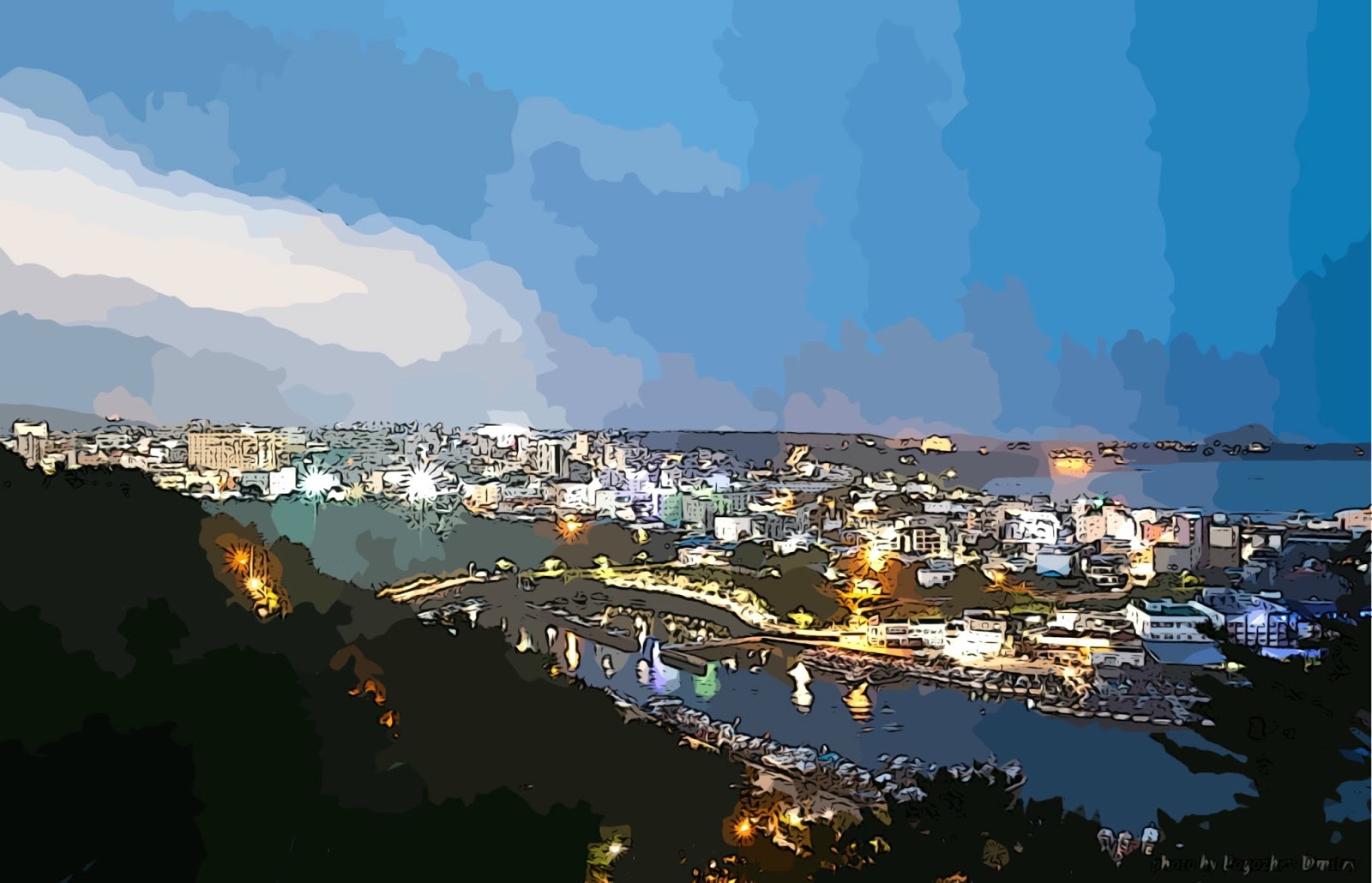

In order to reach the waterfall, visitors must walk on a landscaped trail. Near the beginning of the path is a traditional Korean raft called t'e-u (테우), symbolizing Korean culture. It is the most popular at night, because the falls are illuminated. At night, the "Hidden Face," a formation of rocks, may be visible with the night lights, and the falls are popular for lovers. The Cheonjiyeon Waterfall is also known for its diverseplant and animal life, as the path to the waterfall goes through a garden of subtropical plants. Migratoryducks, Elaeocarpus sylvestris var. ellipticus (Natural Monument no. 163), Psilotum nudum, and Castanopsis cuspidata var. sieboldiiXylosma congestum, and Camellia are some examples of the flora and fauna around the falls. Just before reaching the falls on the path, one must cross a bridge from which a wide variety ofkoi fish can be seen below. Along the way are three piles of stacked or balanced rocks that are a common sight throughout the whole of South Korea. In olden days, a person would place a small stone under a larger stone and pray for the health and prosperity of their family. Its pond is known for being a habitat of the marbled eel (Anguilla marmorata), which is mainly active at night. Known as the Mutae (무태) eel, it is classified in Korea as Natural Monument no. 27.


#Cheonjiyeon Waterfall, #cheju island, 

Sunday, March 27, 2016

正房瀑布


韓國濟州島西歸浦地區著名的瀑布,高23米,寬可達8米,是當地著名的旅遊景點,也是濟州的十大風景奇觀之一。瀑布的源頭是東宏津溪,正房瀑布是亞洲唯一直接流水到海洋的瀑布。
同天地渊瀑布、天帝渊瀑布并称济州岛三大瀑布的正房瀑布,位于西归浦市中心大街约1.5米的东南方向。


正房瀑布是亚洲唯一的直接流入海中的海岸瀑布,高23米,宽8米。正房瀑布的悬崖上刻有徐福(中国人,曾奉秦始皇(BC259-BC210)之命寻找长生不老药,经过此处)过此几个字。西归浦的得名也是取自徐福由此向西而归之意。 


正房瀑布所在悬崖倚海而立,其上有古松斜长,仿佛就要落入海中。这里向东300米有一处高5米的小正房瀑布,夏天十分适合疗养。海岸悬崖上还有了望台,可观赏海边的美景。


据说,以前有个叫徐福的人奉秦始皇之命来寻找长生不老药,但最终还是没有找到。回去之前,经过美丽的正房瀑布,在悬崖上刻上“徐福过此”四个字。现在却见不着这几个字,只有作为传说了。
海岩的悬崖上有展望台,可以眺望远处的海岸。此外,瀑布的东侧还有通往海岸的台阶,可以近距离观赏瀑布。在近处观望瀑布,简直让人心潮澎湃。不论是从悬崖上眺望,还是在海岸观望,都会让您别有一翻体会哦。


入场费 
个人 - 成人 2,000韩元 / 儿童, 青少年, 军人 1,000韩元
团体 - 成人 1,600韩元 / 儿童, 青少年, 军人 600韩元
※团体10名以上
※ 儿童(7~12岁) / 青少年(13~24岁) / 军人(下士以下)
※ 免费
6岁以下儿童,65岁以上长者(需持身份证), 残疾人(1~3级,包括监护人一名), 国家有功者及其配偶(持有效证明), 独立有功者及其配偶(持有效证明), 5.18民主有功者及其配偶(持有效证明), 参战有功者(持有效证明), 济州市民(需持身份证), 济州名誉市民证持有者及其直系亲属


#正房瀑布,

Чонгбанг Водопад


считается, что это единственный в Азии водопад, падающий в море. К водопаду ведет длинная лестница, скалы увиты лианами. Красивое место. В спокойную погоду недалеко от водопада в море можно увидеть женщин-ныряльщиц и отведать на берегу свежих морепродуктов.


Водопад Чонгбанг считается, что это единственный в Азии водопад, падающий в море. К водопаду ведет длинная лестница, скалы увиты лианами. Это красивое место названо в честь легенды о Собуле, посланнике китайского императора.  От города Согвипхо сесть на автобус № 2 и выйти у водопада Чонбан. В спокойную погоду недалеко от водопада в море можно увидеть женщин-ныряльщиц и отведать на берегу свежих морепродуктов. Открыт круглый год: 08:00 – до захода


считается, что это единственный в Азии водопад, падающий в море. К водопаду ведет длинная лестница, скалы увиты лианами. Красивое место. В спокойную погоду недалеко от водопада в море можно увидеть женщин-ныряльщиц и отведать на берегу свежих морепродуктов. 


#Чонгбанг  Водопад,  

air terjun Jeongbang


Ketika mengunjungi tempat ini, mungkin Anda akan segera teringat dengan film-film kung fu, dimana para pendekar bersemedi di bawah derasnya air untuk mendapatkan pencerahan. Hal itu pulalah yang bisa Anda dapatkan ketika Anda mengunjungi air terjun ini. Dengan lebar kurucan air yang mencapat 8 meter pada waktu musim penghujan, Air terjun Jeongbang dapat memberikan Anda kesegaran baik bagi tubuh Anda maupun bagi pikiran Anda. Tempat ini sangat cocok untuk orang-orang yang sedang ingin menyegarkan diri dan pikiran setelah banyak pekerjaan berat yang harus dilakukan.


Menurut legenda setempat, di bawah air terjun ini, dulu hidup seekor naga suci di bawah air tempat air terjun tersebut jatuh. Roh naga tersebut kemudian tinggal di dalam air di air terjun tersebut, yang dapat menyembuhkan oran sakit dan menurunkan hujan di musim kering.


Legenda lain menyebutkan bahwa Kaisar Jin dari Cina (259-210 SM) pernah mengutus seorang hambanya yang bernama Seobul untuk mendapatkan ramuan ajaib yang dapat membuatnya abadi di Gunung Halla. Walaupun dia gagal untuk mendapatkan ramuan itu, dia sampai di Air terjun Jeongbang. Dalam perjalanannya meninggalkan tempat ini, dia menuliskan di sebuah batu Seobul Gwaji  yang artinya ”Seobul pernah ada di sini”, di tebing air terjun. Namun tulisan tersebut sekarang sudah tidak ada. Yang ada di dinding air terjun adalah sebuah prasasti yang bertuliskan Seobulgwacha yang berarti ”Perjalanan Seobul”.


Apabila Anda pergi kea rah timur sekitar 300 meter, Anda akan melihat sebuah air terjun yang lain yang disebut Air terjun Sojeongbang. Tempat ini sangat tepat untuk bersantai pada musim panas. Di atas tebing air terjun ada sebuah gardu pandang, di mana Anda dapat melihat pemandangan indah lautan dengan leluasa. Air terjun ini disebut-sebut mirip dengan seorang hamba yang sedang menjagai tuannya.
Tempat ini beroperasi pada pukul 08.00 sampai pukul 19.00 pada musim panas, dan hanya sampai pukul 18.00 pada musim dingin. Binatang peliharaan diperkenankan dibawa mengunjungi tempat ini hanya apabila menggunakan rantai pengaman. Dan diharapkan membawa kantong plastik untuk membuang kotoran binatang.

Untuk biaya masuknya adalah sebagai beriku.
Apabila masuk secara individu:
  • Dewasa           : Rp 16.500,00
  • Anak-anak       : Rp   8.000,00
Apabila masuk dalam kelompok (lebih dari 10 orang):
  • Dewasa           : Rp 13.000,00
  • Anak-anak       : Rp   5.000,00
Apabila Anda ingin mengunjungi tempat ini, dari Bandara Jeju, naik bis limosin dan turun di depan Paradise Hotel. Anda tinggal berjalan mengikuti petunjuk arah selama sekitar 5 menit.
Apabila Anda dari terminal bis antar kota Jeju, naik bis antar kota (Jungmungosok) menuju Seogwipo-si, dan turun di Stadion Piala Dunia Jeju. Waktu perjalanan sekitar 2 jam. Dari pemberhentian bis, naik taksi ke Air terjun Jeongbangpokpo. Waktu perjalanan sekitar 5 menit. 


#air terjin jeongbang, #bahasa Indonesia,

Jeongbang Waterfall


Jeongbang Waterfall is a famous waterfall on Jeju Island. The waterfall is 23 m (75 ft) high and is very close to the ocean. Depending on the level of recent rainfall, it can be up 8 m (26 ft) wide. The source of the waterfall is the stream Donghong-chun. According to some sources, Jeongbang Waterfall is the only waterfall in Asia that falls directly in the ocean. However, this may be disputed, since its water falls into a sheltered cove rather than straight into the ocean. Located near Seogwipo, Jeongbang Waterfall is a popular tourist attraction. It is considered Yeongjusipgeong, one of the ten greatest scenic wonders of Jeju.


Legend states that a holy dragon lived underneath it. It was said that the dragon's spirit is contained in the water which can cure diseases and bring rain during drought. Furthermore, a nearby small waterfall is said to resemble a servant waiting on a lord.


A legend states that Emperor Jin of China (259 BC - 210 BC) sent a servant, Seobul, to fetch the magical herbsof eternal youth from Mount Halla. Though he failed to find the herb, he encountered Jeongbang Falls on the way and he left his autograph, Seobul Gwaji (which literally means "Seobul was here"), on the cliff wall, where it no longer remains. An inscription on the wall of the waterfall saying "Seobulgwacha", refers to Seobul's journey. The waterfall is one of the three famous waterfalls of Jeju, along with Cheonjiyeon Waterfall and Cheonjeyeon Waterfall. A smaller waterfall, Sojeongbang Waterfall is 300 m to the east.


#jeongbang waterfall

Saturday, March 26, 2016

濟州游轮港口


濟州特別自治道濟州市臨港路191 (健入洞),  +82-64-720-8500 , +82-2-1330 (英日中)

自1988年9月與日本長崎線通航後,為了乘客利用上的方便而開設了客輪站。目前濟州港內設有沿岸客輪站與國際客輪站等2座客輪站,每天定期往返濟州道與其他地區,除了運送旅客之外,也負責各種貨物運輸。

2013年6月19日,皇家加勒比邮轮公司旗下的超大型邮轮“海洋航行者”号和“海洋水手”号搭载着5459名游客驶入济州港。截至当日,共有56艘次国际邮轮停靠济州国际码头,累计为济州岛送来了101002名外国游客,是去年同期的4倍。
济州道政府和济州旅游发展局为了提高游客的邮轮旅游满意度,在码头设立并运营旅游咨询中心,同时还专门为奖励旅游团开展欢迎活动。另外,相关部门与岛内的大学签订了产学合作备忘录,启动了以大学生为对象的邮轮志愿者“I-Crew”项目,为游客提供中、英、日语等咨询服务。


出入境贴士入境签证在济州入境的所有外国人都需持有本国护照,除日本国民之外,持有返程机票的旅客可以不需签证停留15天,与韩国签有互免签证协定国家的国民可根据协定在规定期限内不需签证停留。
交通
机场济州国际机场,仅次于仁川国际机场韩国第二大机场。济州国际机场共有13条国内直航路线(仁川,金铺,金海,青州,原州,大邱,群山,光州,蔚山,浦项,泗川,丽水以及务安),国际路线为与日本、中国和台湾的16条路线 (日本-东京,大阪,名古屋,福冈 / 中国 –北京,上海,大连,长春,沈阳,哈尔滨,西安,兰州,延吉,杭州 / 台湾-台北,高雄) 。
  注:订票由于春季的济州会同时举行樱花节与油菜花节,此时的游人来济州的游人最多,需要提前一个月左右时间预定机票。 
港口济州港:轮船接仁川港,丽水港,木浦港等。
市内交通
巴士:市内座席巴士和一般巴士每隔10-20分钟运行一班次。运行时间:6:00-22:30。市外巴士:市外巴士为每隔25分钟出发经由各地的巴士,运行时间:5:40-21:00
出租车:抵达机场或码头后,乘坐出租车可以很容易地到达目的地。2公里内基本费用为1900韩元,每144米或35秒增加100韩元;大型出租汽车和模范出租车费用一样,在3公里内基本费用为4500韩元,每164米或39秒增加200韩币。
租借汽车:国内游客满22岁以上、有1年6个月以上驾驶经验者,外国人持有国际驾驶执照者皆可租借汽车。济州全境有一道路,南北也有公路贯通,租车驾驶旅行非常方便,如提前预定,可从机场开始租用。推荐租车点:半岛高速观光。济州道济州市老衡洞。机场打车10分钟可到。
轮渡:济州客运码头可到达飞扬岛(需15分钟)、牛岛(需15分钟)、加波岛(需30分钟)、马罗岛(需50分钟)。


#濟州游轮港口, #濟州港口

Jeju International Passenger & cruise Terminal


Jeju International Passenger Terminal opened in 1998. Jeju Port serves as an entry point for international and domestic visitors, tourists, and cargo entering Jeju Island. 

191, Imhang-ro, Jeju-si, Jeju-do
1330 Travel Hotline: +82-2-1330 (Korean, English, Japanese, Chinese) 

Jeju Island is about 50 miles long and 20 miles wide and located just south of the southern tip of the Korean peninsula. Jeju City is located on the northern side of the island. Jeju Island, also known as the "Island of the Gods," is a popular vacation spot for Koreans and Japanese.

South Korean nationals were not allowed to travel internationally without government permission until the late 1980's and as a result, Jeju island was heavily developed as a domestic vacation destination.


Jeju Island is marketed as "the Hawaii of Korea" for its similarities in geography and climate and is the top honeymoon destination for Korean newlyweds. If you can compare, it bears little in similarity with the US island. But it's still a very beautiful place - including a volcano. The "Jeju Volcanic Island and Lava Tubes" is a UNESCO World Heritage site. Mount Halla (Hallasan) dominates the island with a dormant volcano and there are underground caves with lava tubes to explore.


Cruise Ship Pier Location :
Cruise ships dock approximately 1.5 miles (2 kilometers) away from Jeju City in a small industrial port.

Self Guided Excursions :
Most of the attractions on Jeju Island are outside of the Jeju City. The city itself offers a wide range of bars and restaurants but that is about it. Due to the language barrier most visitors will be confronted with, we do not recommend to take a wider excursion on the island on your own.

Taxi Transportation : 
Taxis are available on the island and while not common, you might get lucky with a taxi driver who can speak English, Japanese and Chinese, especially in Jeju City. But just in case make sure you bring a map with you.

Bus Transportation : 
Bus #100 runs between the cruise terminal and the airport, passing by the Jeju Intercity Bus Terminal west of Jeju City downtown. From there numerous cities of the island can be reached and also all Jeju City busses sooner or later pass the bus terminal.

Free wifi:
Jeju island has more than 5,000 publicly accessible free wifi hotspots. You should be able to find one easily.

ATM:
Most ATMs on Jeju do not accept foreign ATM/Debit cards for cash withdrawals. There are few international ATMs on the island which dispense money to international cards, but they are not easy to find.

Tipping / Bargaining Habits : 
Tipping in Korea is not common, but the trend seems to be shifting because the country is being exposed to more Western culture. A small tip is of 5-10% recommended in a western style restaurant in South Korea. But it is not recommended to tip at a Korean restaurant because its just not common practice. If you decide to tip at a western restaurant in South Korea you should pay your tip directly to the waiter. Taxi driver will appreciate it if you tell them to keep the change. But a driver may be confused if you try to tip them, so generally its not a good idea.

Safety Advice : 
Generally speaking Jeju City is as safe as most places in South Korea, which is to say very safe. As always, execute general caution during night time and in public transportation.

Nice To Know :
Jeju Island is Korea's capital for unusual themeparks and niche commercial attractions. For example, you'll find a sex, glasses and teddy bear museum on the island. What to expect in a Korean sex museum - officially the Museum of Sex and Health? Search "Sex Museum Jeju" on YouTube and you'll find a 15 minute video.
The island is famous for the many orange trees that grow everywhere. You can buy fresh oranges and orange products any time of year.
To verify that Jeju Island is the honeymoon headquarter of Korea, look out for couples wearing the same clothes. That's a Korean tradition for newlyweds.


#jeju international cruise terminal, #jeju port